Top 5 terms in the Russian media for the week (November 28 – December 4, 2022)

Top 5 terms in the Russian media for the week (November 28 – December 4, 2022)
Share

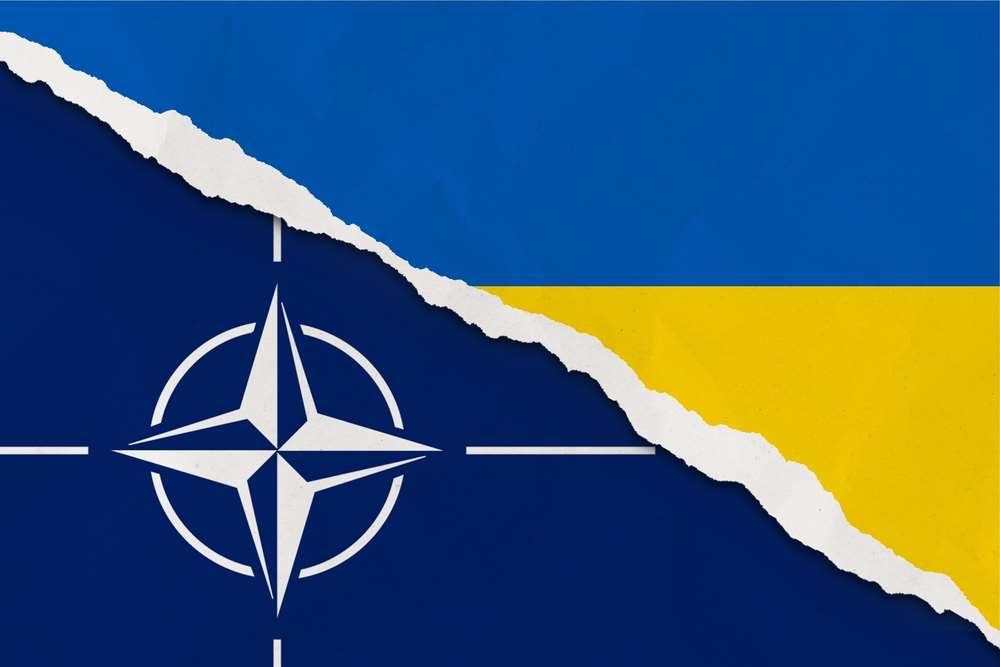
“NATO” was the most mentioned term in the Russian media last week. As before, it sounded at least three times more often than other terms in the media and is second only to “special military operation” in terms of frequency of use, if we also consider this designation as a term and not a topic of the week.

Behind it by a large margin in terms of mentions are the “negotiations”, which have been talked about steadily more often in the Russian mass media in recent weeks, with an emphasis on the fact that they are needed primarily by Ukraine.

In the conventional third place is the private military company “Wagner”, which over the past seven days dominated in terms of mentions of the regular Russian army – the latter was mentioned six times less often. This term is associated with another term that entered the top 5 last week – “offensive”. It was in the context of offensive actions and their decisive importance that the PMC “Wagner” was mostly mentioned.

“Anti-Russian sanctions” also made it to the top five terms of the week that sounded most often. This is primarily related to the decision announced on December 5 of this year by the G7 countries and others to set a price ceiling for Russian oil, and this term was mentioned most often in this context.
Related publications

Institutionalization of the Military Personnel Reserve Through the “Time of Heroes” Programme
Analytics

Institutionalization of the Military Personnel Reserve Through the “Time of Heroes” Programme

The transformation of public administration in the Russian Federation is increasingly subordinated to the goals of the systemic militarization of civilian apparatus and the formation of a closed caste of managers whose legitimacy rests on shared participation in the military aggression against Ukraine. Launched on Vladimir Putin’s direct instructions in spring 2024, the Time of…

Institutionalization of the Military Personnel Reserve Through the “Time of Heroes” Programme
Russia Rebuilds the State for a Protracted War and Lays Its Costs onto Europe
Analytics

Russia Rebuilds the State for a Protracted War and Lays Its Costs onto Europe

Russia is expanding its hybrid activity beyond Ukraine and adapting mechanisms for financing covert operations. On the one hand, Moscow is stepping up pressure on European states – the primary donors to Ukraine’s defense. On the other, it is restructuring its domestic budgetary, social, and regional policies to ensure that high wartime expenditures can be…

Russia Rebuilds the State for a Protracted War and Lays Its Costs onto Europe
Digital Assets as a Tool for Financing Russian Sabotage and Covert Operations in Europe
Analytics

Digital Assets as a Tool for Financing Russian Sabotage and Covert Operations in Europe

The financing of hybrid and sabotage activity in Europe increasingly relies on mechanisms that obscure the links between Russian state structures, intermediaries, and direct operatives. Traditional channels based on diplomatic and intelligence cover are being supplemented by a more fragmented system of remote coordination, in which funds can be transferred through virtual assets and different…

Digital Assets as a Tool for Financing Russian Sabotage and Covert Operations in Europe
Architecture of Russian Unmanned Expansion
Analytics

Architecture of Russian Unmanned Expansion

This analytical assessment documents the systemic transformation of Russian Federation unmanned aerial incursions over NATO and EU sovereign airspace between 2022 and 2026. Empirical evidence demonstrates that these unmanned aerial vehicle (UAV) sorties can no longer be characterized as sporadic anomalies or unintentional navigational deviations. Instead, they represent an integrated, state-directed military intelligence doctrine that…

Architecture of Russian Unmanned Expansion