Top 5 terms in the Russian media for the week (November 28 – December 4, 2022)

Top 5 terms in the Russian media for the week (November 28 – December 4, 2022)
Share

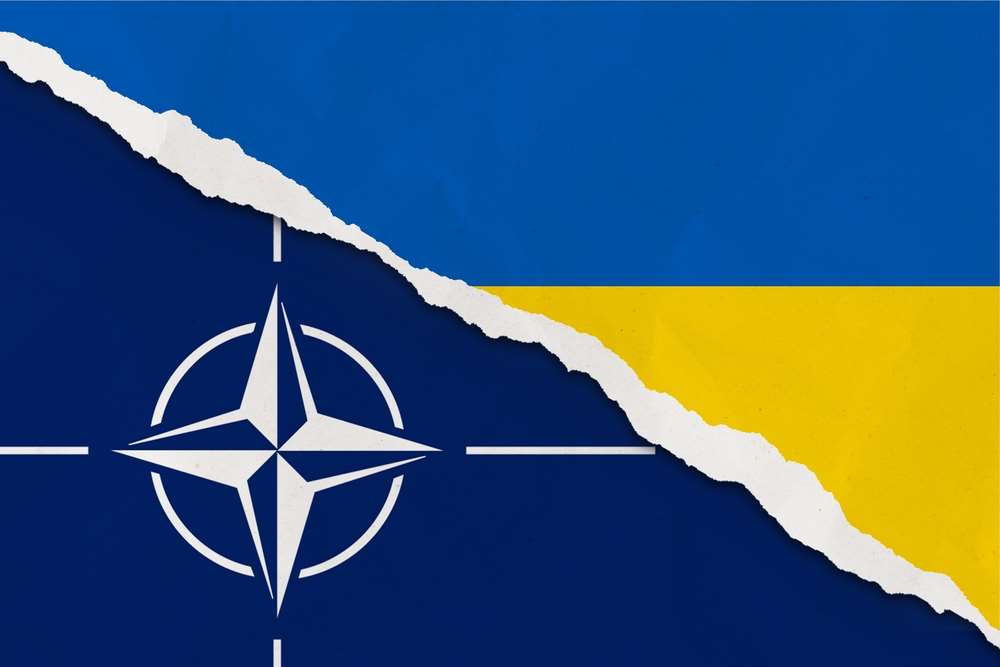
“NATO” was the most mentioned term in the Russian media last week. As before, it sounded at least three times more often than other terms in the media and is second only to “special military operation” in terms of frequency of use, if we also consider this designation as a term and not a topic of the week.

Behind it by a large margin in terms of mentions are the “negotiations”, which have been talked about steadily more often in the Russian mass media in recent weeks, with an emphasis on the fact that they are needed primarily by Ukraine.

In the conventional third place is the private military company “Wagner”, which over the past seven days dominated in terms of mentions of the regular Russian army – the latter was mentioned six times less often. This term is associated with another term that entered the top 5 last week – “offensive”. It was in the context of offensive actions and their decisive importance that the PMC “Wagner” was mostly mentioned.

“Anti-Russian sanctions” also made it to the top five terms of the week that sounded most often. This is primarily related to the decision announced on December 5 of this year by the G7 countries and others to set a price ceiling for Russian oil, and this term was mentioned most often in this context.
Related publications

Russians’ Perception of the Fuel Crisis: Early June 2026 Trends
Analytics

Russians’ Perception of the Fuel Crisis: Early June 2026 Trends

Executive Summary Monitoring of the Russian information space during 8–14 June 2026 indicates a gradual increase in the war’s impact on the everyday lives of Russian citizens. A key driver of this process has been the systematic targeting of Russia’s fuel, energy, and logistics infrastructure, resulting in localized and regional fuel shortages, mobility restrictions, transportation…

Russians’ Perception of the Fuel Crisis: Early June 2026 Trends
Election and Post Election Day in Armenia: Russian information influence and framing
Analytics

Election and Post Election Day in Armenia: Russian information influence and framing

Executive Summary On the day of Armenia’s parliamentary elections, debate focused on two core issues: the legitimacy of the government and the country’s sovereignty in shaping its future. Prime Minister Nikol Pashinyan and his government emphasized anti-corruption measures, efforts to prevent vote-buying, and tighter oversight of the electoral process. They also framed the election as…

Election and Post Election Day in Armenia: Russian information influence and framing
Russian FIMI in the Armenian Elections
Analytics

Russian FIMI in the Armenian Elections

Overview of Recent Trends Ahead of Armenia’s parliamentary elections, the information environment surrounding the country shows signs of an intensifying and increasingly sophisticated Russian influence campaign. This campaign extends beyond traditional information and propaganda tools, encompassing a broader combination of media, economic, political, and institutional pressure. For Moscow, these elections are significant not only as…

Russian FIMI in the Armenian Elections
Russian Influence on the 2026 Elections in Armenia: Main Approaches and Risks
Analytics

Russian Influence on the 2026 Elections in Armenia: Main Approaches and Risks

Executive Summary The parliamentary elections in Armenia, scheduled for June 7, 2026, are becoming another testing ground for Russia to apply its influence instruments previously deployed during the elections in Georgia and Moldova in 2024–2025. The core elements of this strategy include the exploitation of fear of war, the promotion of frozen conflict narratives, particularly…

Russian Influence on the 2026 Elections in Armenia: Main Approaches and Risks